Want more strategies like this?
Join our free newsletter to get weekly Band 9 frameworks delivered straight to your inbox.
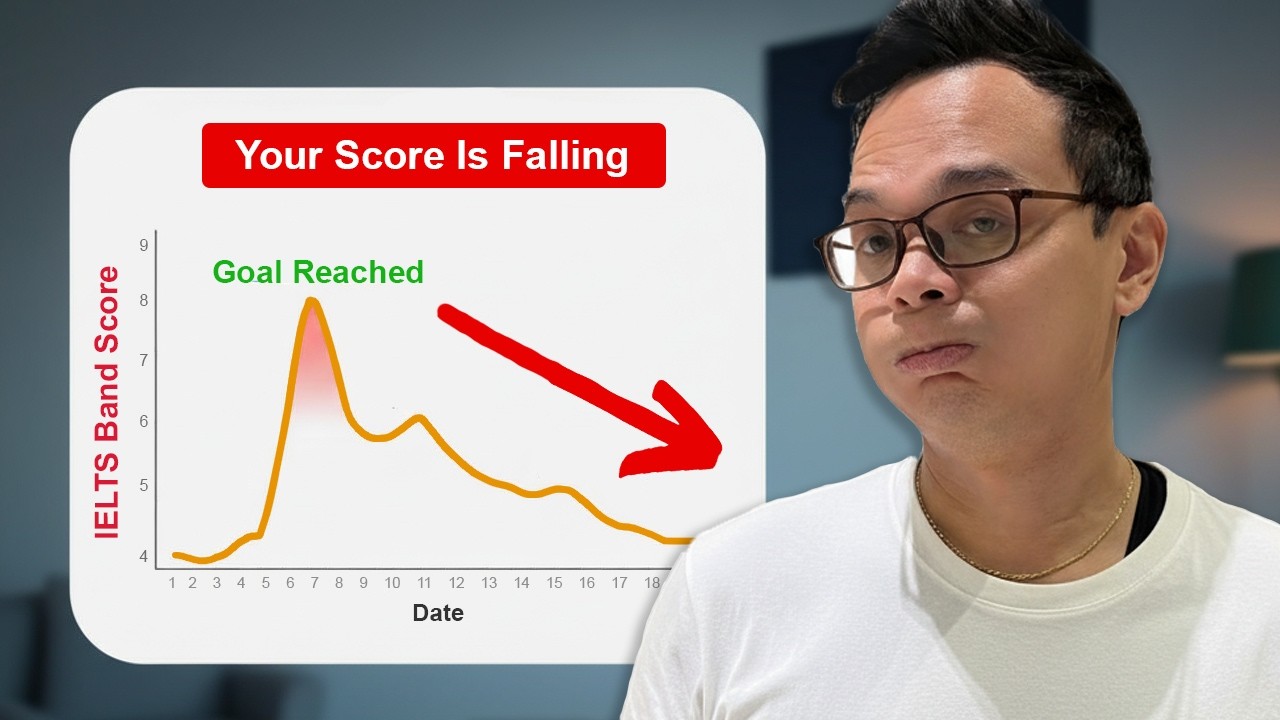
You know the feeling. It’s 10 PM. The dishes are done, the kids are finally asleep, and you sit down to study — only to realize you have absolutely nothing left. You feel guilty because you haven’t practiced English today. Or this week. And the exam is getting closer.
That guilt is real. I’ve lived it. I achieved a Band 9 in IELTS Speaking — including a perfect Band 9 across all four criteria — while working full-time, raising young children, and managing family responsibilities. I didn’t have quiet evenings or two-hour study blocks. What I had was a system. And in this guide, I’m going to give it to you.
The Guilt Trap (And Why You Need to Escape It)
Most people approach IELTS preparation the same way they studied in university: a clean desk, a quiet room, two uninterrupted hours. If you’re juggling work, family, or full-time study, that environment simply doesn’t exist.
Waiting for the perfect time to practice is why you’re not improving.
The shift you need to make is simple but powerful: stop trying to find time. Start learning to steal it.
Strategy 1: The Dead Time Protocol
Your day is already full of speaking practice opportunities. You just haven’t claimed them yet.
Think about the small gaps scattered throughout your day:
- Waiting for your coffee to brew
- Commuting to work or university
- Standing in a supermarket queue
- Walking between meetings or classes
These aren’t wasted moments. They are your study sessions.
You don’t need 30 minutes of uninterrupted time to improve your IELTS Speaking score. You need two minutes — repeatedly.
The Numbers That Will Change Your Mindset
If you capture just five two-minute gaps per day, here’s what that looks like:
- 10 minutes of practice per day
- 70 minutes per week
- ~300 minutes of practice per month
That is 300 minutes from time you previously thought was worthless. No extra hours. No rearranged schedule. Just a shift in awareness.
The next time you’re standing in a queue or waiting for a page to load, ask yourself: What IELTS topic could I be speaking about right now?
Strategy 2: The Active Narrator Shift
This is one of the most powerful techniques for building fluency — and it requires zero preparation, zero materials, and zero free time.
The principle: Narrate your life as it happens. Out loud if possible. Silently in your head if there are other people around.
How It Works in Practice
While you’re cooking dinner, instead of working in silence, say:
“I’m chopping the vegetables. I’m adding salt because the soup needs more flavour.”
While you’re commuting, describe what you observe:
“The train is crowded today. I feel a bit anxious because I have a deadline at work.”
While you’re at your desk:
“I’m reviewing this report. I need to read this email carefully before I respond.”
Why This Works for IELTS
You’re not just filling silence — you’re building the neural pathways required for fluency. The reason many IELTS candidates struggle with smooth, natural speech isn’t vocabulary or grammar. It’s the gap between thinking in their first language and producing English automatically.
The Active Narrator technique closes that gap by turning your real, lived experience into a continuous English monologue. You’re producing the kind of spontaneous, connected speech that examiners reward under the Fluency & Coherence criterion — without sitting at a desk.
Strategy 3: What to Do When You’re Completely Exhausted
Here is where most people make a critical mistake. After a long shift, a full day of lectures, or hours of caregiving, they think:
“I can’t do a full session, so I’ll do nothing.”
That binary thinking is what keeps scores stuck. There is a third option.
Switch From Output to Input
When your energy is so low you can’t open your mouth, stop trying to speak. Start listening.
But don’t listen passively. Listen to content that builds the specific vocabulary you’ll need when you’re ready to speak again. Match the content to your professional or academic world:
- Healthcare workers: Medical podcasts or health news in English
- Business or finance professionals: Market updates or industry analysis in English
- Students: Academic lectures, TED Talks, or content in your field of study
Even when you’re burnt out, you’re keeping your brain in English mode. You’re absorbing rhythm, vocabulary, and sentence structure from fluent speakers. This directly supports your speaking performance — without any pressure to perform.
It removes the friction. It removes the guilt.
Using Smart Tools for Instant Feedback
On the days when you have a few minutes but need instant, structured feedback without booking a tutor, this is exactly the scenario the SpeakPrac app was built for.
When I was preparing for my Band 9, I couldn’t afford to spend hours analyzing my own speech. I’d open the app, record for one to two minutes — sometimes just 20 seconds — get my analysis, and get back to whatever I was doing. It turned a passive moment into an active feedback loop.
The Core Principle Behind All Three Strategies
Whether you’re a nurse, a student, a parent, or someone working a demanding job, the same truth applies:
It’s not about intelligence. It’s about integration.
IELTS Speaking improvement doesn’t require a classroom. It requires making English a part of your life rather than a separate task you dread. The three strategies in this guide do exactly that:
- Steal the time — capture the dead moments you’re already living
- Narrate your reality — build fluency from your actual daily experience
- Listen when you’re exhausted — stay in English mode without the pressure to perform
You don’t need the perfect conditions. You just need to start where you are.
Do You Need a Speaking Partner to Improve?
Even with consistent practice time, many candidates worry they can’t improve without a tutor, speaking partner, or class. That concern is understandable — but it may be holding you back unnecessarily.
The truth is that structured solo practice, done correctly, can be just as effective. I cover exactly how to approach that in the guide on improving your IELTS Speaking score on your own.
Ready to take your speaking to the next level?
Apply today's tips in the SpeakPrac app and get instant AI feedback on all 4 IELTS criteria. Or master the fundamentals with my complete, free video course.